- February 13, 2026 6:40 am
- California

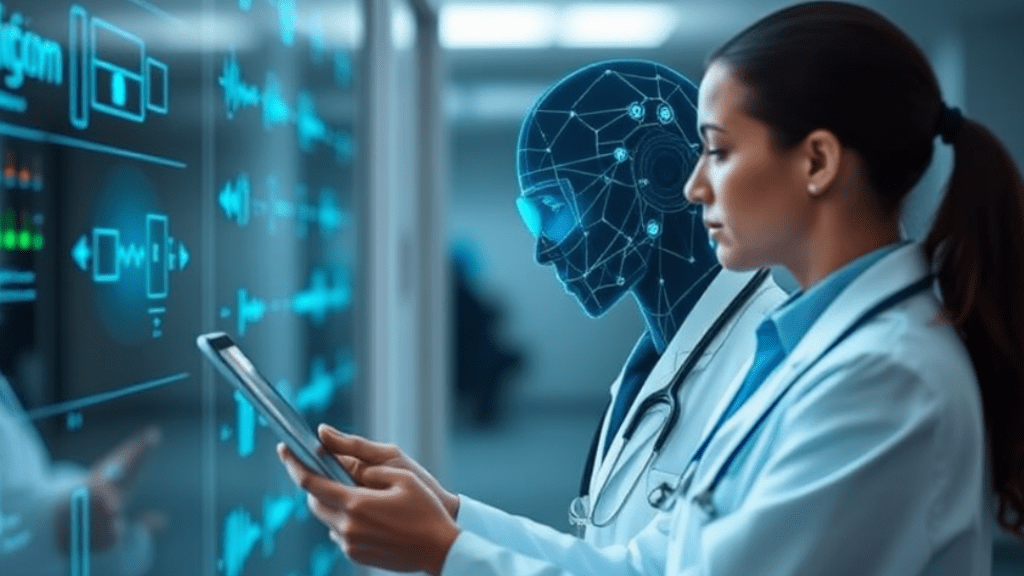
The healthcare industry is undergoing a seismic shift fueled by artificial intelligence (AI) and telemedicine. They’re creating a more accessible, personalized, and efficient system for patients and providers. Here’s how these technologies are reshaping the landscape:
AI-powered tools are revolutionizing diagnostics by analyzing medical images, pathology slides, and patient data faster and more accurately than ever. Machine learning algorithms are helping doctors identify conditions like cancer, cardiovascular diseases, and rare genetic disorders earlier and with precision.
Moreover, AI drives personalized medicine by tailoring treatments to a patient’s genetic profile. AI minimizes trial-and-error approaches by predicting how patients respond to specific therapies, ensuring optimal care.
Telemedicine has broken down geographic barriers, making healthcare accessible from virtually anywhere. Patients can now receive expert care through video consultations, remote monitoring, and AI-enhanced chatbots without leaving their homes.
Telehealth has particularly benefited rural and underserved areas, providing access to specialists and saving time and resources. Even post-pandemic, telemedicine continues to thrive as a preferred option for non-emergency consultations.
AI is enhancing telemedicine in remarkable ways:
These systems reduce hospital visits and make healthcare more proactive, focusing on prevention rather than reaction.
AI plays a crucial role in mental health care by providing 24/7 support. AI-driven therapy apps offer cognitive behavioral therapy (CBT), mood tracking, and coping strategies. This ensures that individuals can access mental health resources even if professional help isn’t available immediately.
From automating medical billing to managing patient records, AI is streamlining administrative tasks. This reduces errors, saves time, and allows healthcare professionals to focus more on patient care. Hospitals and clinics are increasingly adopting AI solutions to optimize workflows.
The combination of AI and telemedicine is just the beginning. Emerging technologies like digital twins, predictive health analytics, and next-gen wearable devices promise to elevate patient care. The “digital doctor” is here to stay, making healthcare more innovative, more inclusive, and future-ready.